Archipelago
composition for chamber orchestra
flute, oboe, clarinet, bassoon, horn, trumpet, trombone, tuba, percussion, harp, piano, 4 violins, 2 violas, 2 cellos, and double bass
Premiered on January 19, 2024, at Elder Hall, South Australia, by the Australian Youth Orchestra National Music Camp Tutor Chamber Ensemble.
score excerpt

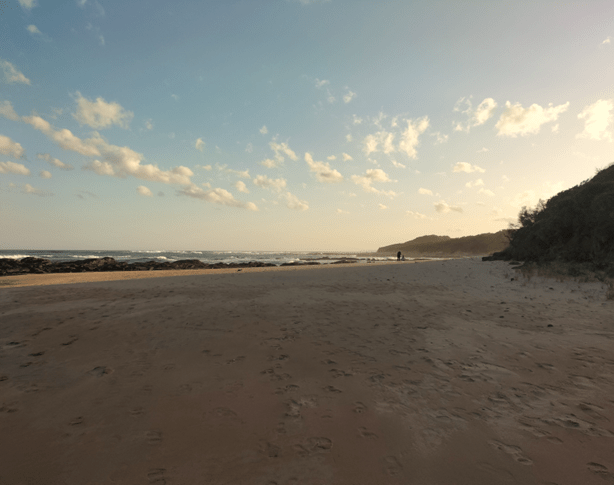
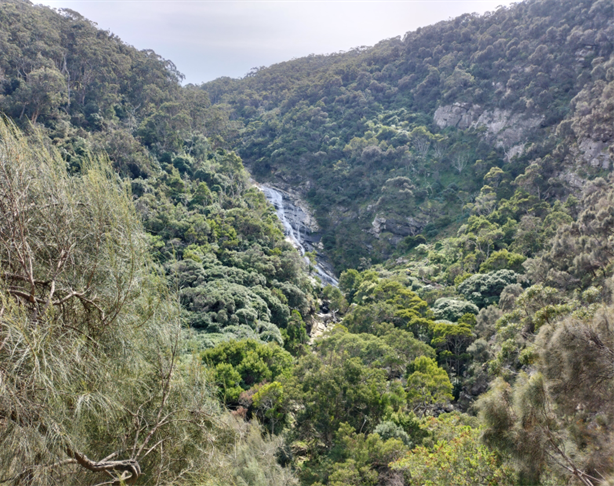
This music comes from hikes I took around Apollo Bay, Victoria, Gadubanud Country. With friends, we walked mostly in silence, enjoying the way the surrounding natural sounds emerged and receded as we moved through. There were farming pastures, dense bushlands with birds and insects, rocky shorelines, aggressive streams, and sandy beaches. Each place also had its own suite of soundworlds across the day and across different weather.
I wrote this work to explore the thoughts these hikes gave me about immersive sound and the systems that generate this natural music. I was particularly interested in the way ecological soundworlds are organised, and the sensation of moving through and between different sonic spaces, rather than remaining still while the sounds change around you.
In organising this composition, I thought more about proximities and coexistences between sounds than about musical development. The music emerges as self-contained, quasi-improvised sonic events that surface, overlap, and fade within the texture. Rather than seeking forward motion, I treat transience by placing the listener in motion instead. This is most clearly embodied by the conductor, who cues in each new layer at their own pace, as if they are a hiker choosing their walking speed, with the freedom to dwell in a particular area for as long as they want. Groups of instrumental textures sounding together in time translate as distinct locations within my imagined environment. Inspired by how the environments blend together and how sounds can also echo between biomes, my sonic ‘places’ share sounds with their neighbours and include variation in the presence of particular sounds.
In each particular biome within an environment, its soundscapes are emergent, self-reactive, and ever-changing. While we recognise the same collections of species and processes speaking, the conversations flow. This is another feature I wanted to bring to this composition. The musicians’ parts have them become autonomous inhabitants in the sonic environment. They have their own language, but can explore and use it freely, as well as interact with others in the space. Many of the sonic inhabitants also share traits in common, inspired by cousin species and mutualism. While not literally made to be birds, wind, etc, I took inspiration from the array of sonic processes, personalities, and relationships.